HCPCS A6583 + A6594
Lymphedema Day Garment & Liner
Includes one graduated-compression garment, one liner, and one mesh laundry bag. Three systems allowed per leg every six months.
XS · S · M · L · XL · XXL — Regular or Tall

Compression / Lymphedema
We carry a focused catalog of clinically proven compression garments and accessories, all eligible for Medicare coverage when paired with a qualifying diagnosis.
HCPCS A6583 + A6594
Includes one graduated-compression garment, one liner, and one mesh laundry bag. Three systems allowed per leg every six months.
XS · S · M · L · XL · XXL — Regular or Tall
HCPCS A6594
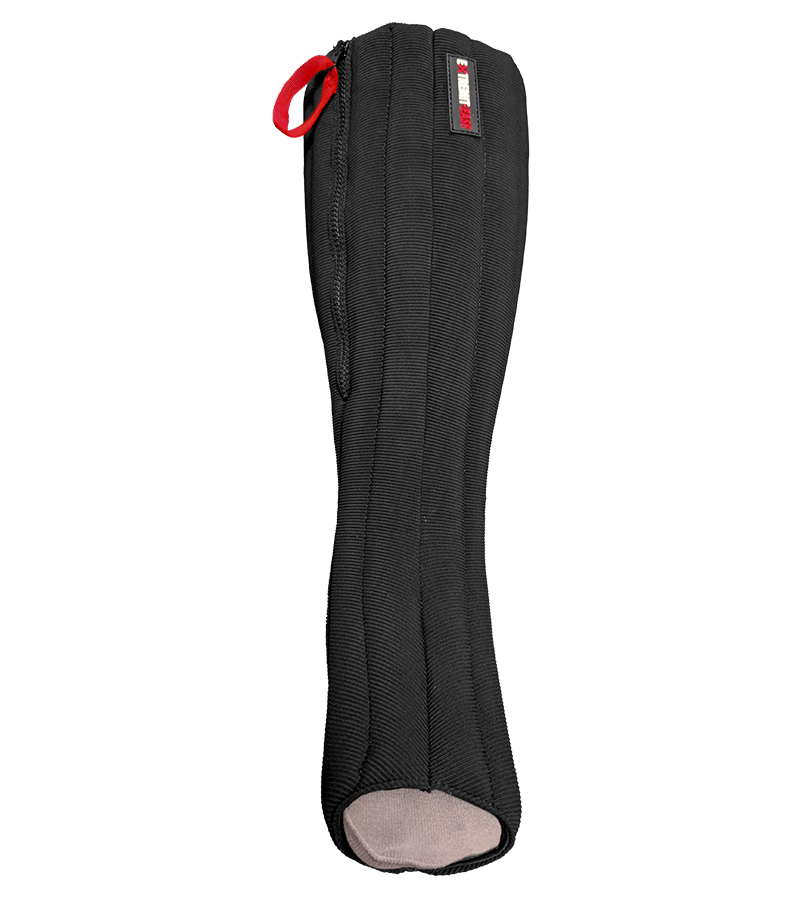
Replacement liners worn under the day garment for moisture management and skin protection.
S · M · L · XL · XXL
HCPCS A6524
Lower-limb night compression garments designed for overnight management. Two allowed per leg every two years.
Sizes 3 · 4 · 5 · 6
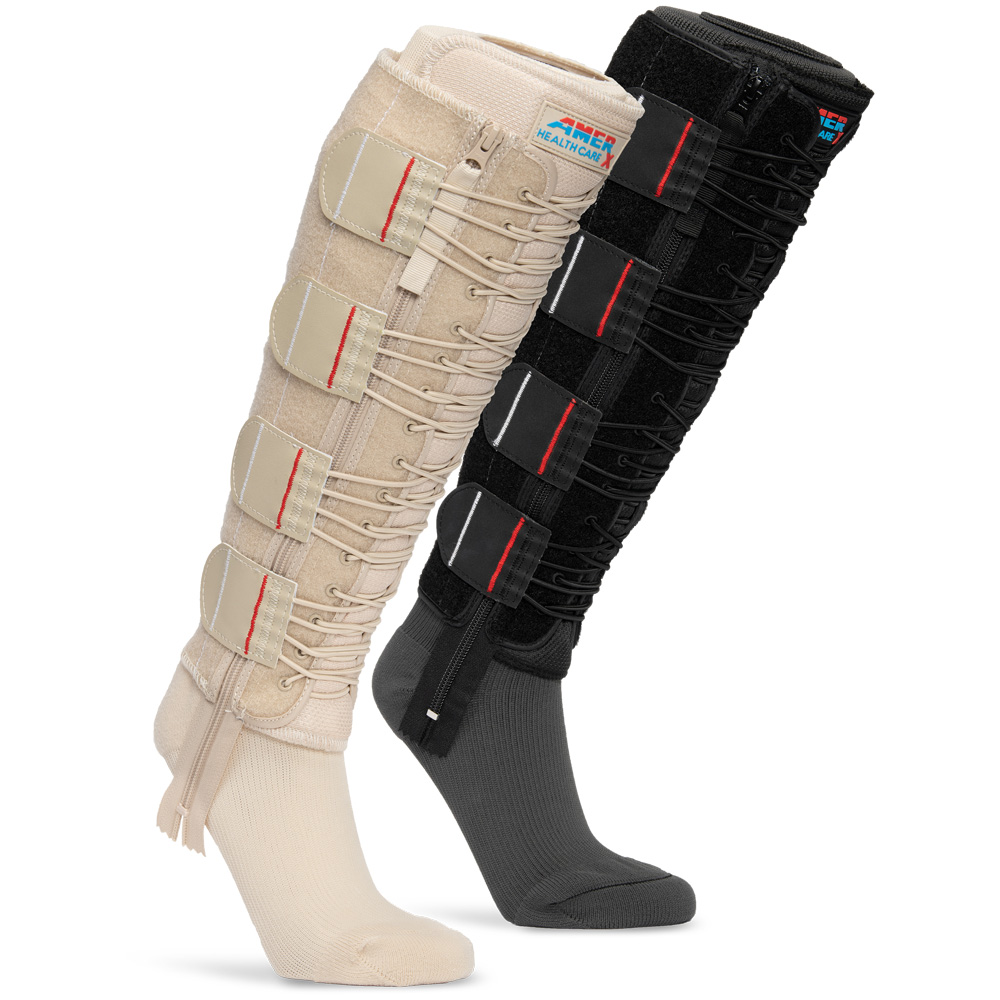
Featured system
Graduated compression, breathable comfort, and easy donning, designed for daily life. Each kit ships with everything a patient needs to begin therapy on day one — available in regular and tall heights, sizes XS–XXL.
Start an orderHow to apply
Designed for easy daily use — slide, zip, and compress. Watch the short video below and follow the three-step guide for a comfortable, properly fitted application every time.
Providing 30–50 mmHg therapeutic compression, the innovative design of EXTREMIT-EASE combines a zipper and bungees with large tabs to make independent application and adjustment easy for patients to achieve — even if they suffer from dexterity issues. Patients will appreciate the lightweight, air permeable fabric allowing for hours of comfortable wear with less sweat, hot spots, and pistoning. Each EXTREMIT-EASE Compression Garment comes complete with a mesh laundry bag and one garment liner.
01
With the garment fully open, slide the foot through and position the heel comfortably inside the boot.
02
Close the front zipper from ankle to calf, keeping the garment centered along the front of the leg.
03
Tighten each lacing band from bottom to top for graduated 30–50 mmHg compression and a secure fit.
Medicare requires a qualifying diagnosis and supporting chart notes for coverage. The most common include:
I89.0
Lymphedema, not elsewhere classified
I97.2
Postmastectomy lymphedema syndrome
Q82.0
Hereditary lymphedema
I97.89
Other postprocedural circulatory complications
For Prescribers
Download, complete, and fax our order form along with patient demographics and supporting chart notes to (504) 313-1540. Our team handles benefits verification and shipping from there.
Patient info, garment selection, qualifying diagnosis, and prescriber signature.
Send to (504) 313-1540 with patient demographics and supporting chart notes.
We verify benefits, confirm sizing, and ship directly to the patient.